
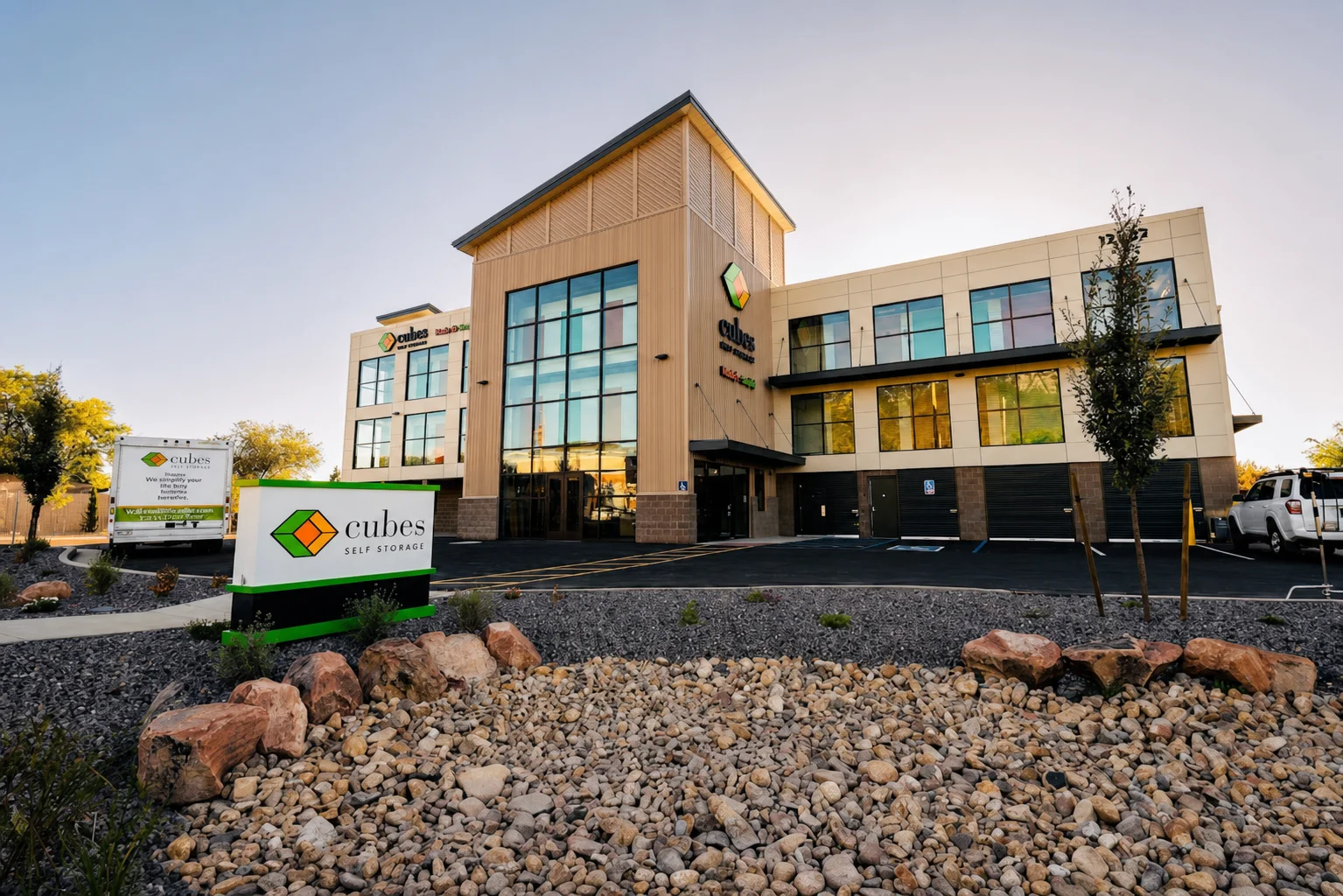
Multi-Story & Climate-Controlled Self-Storage
When the Site Runs Out of Room, the Storage Goes Up.
- Vertical steel structure and floor decks
- Insulated, conditioned building envelope
- Elevators and interior circulation
- Corridors, partitions, and roll-up doors
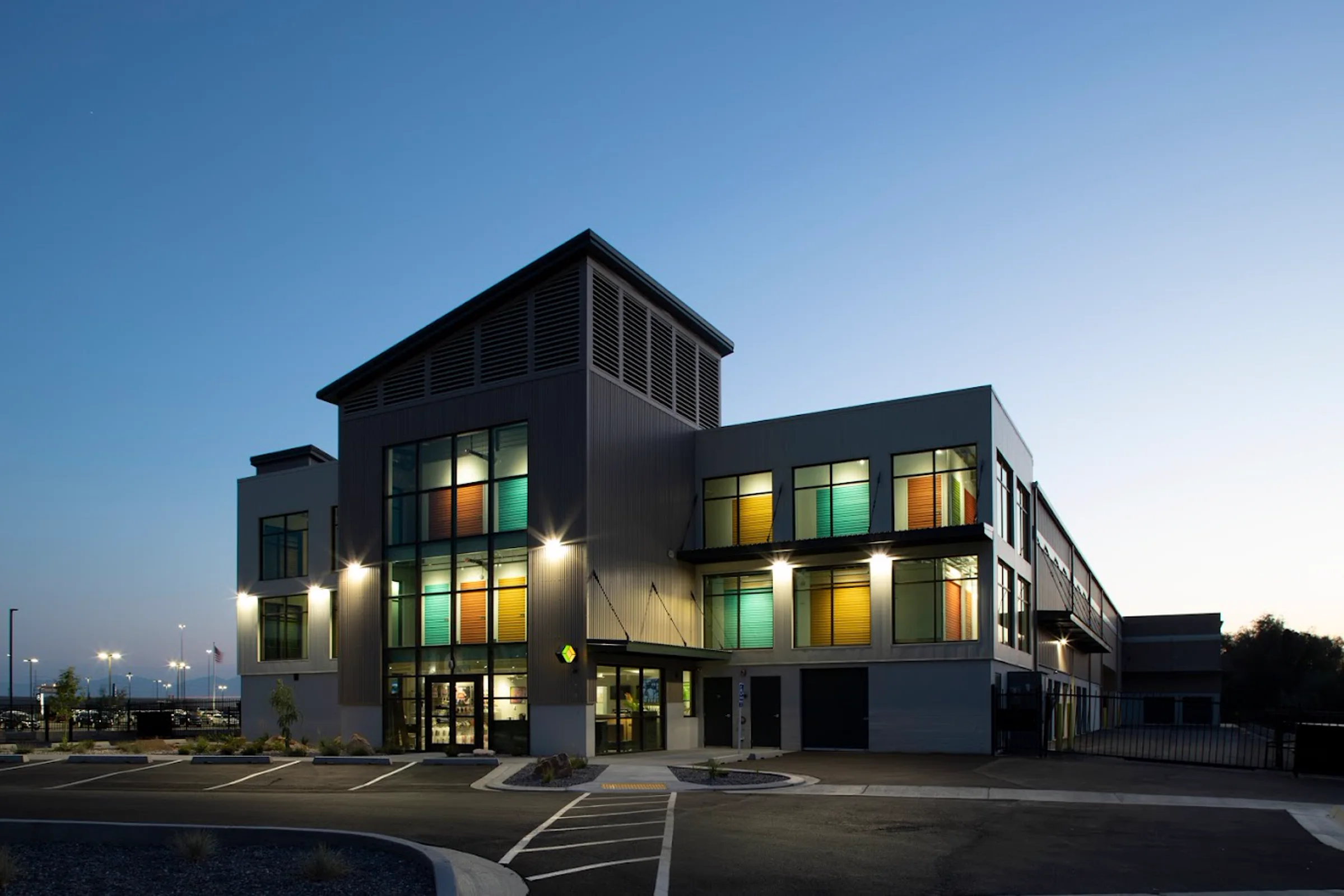
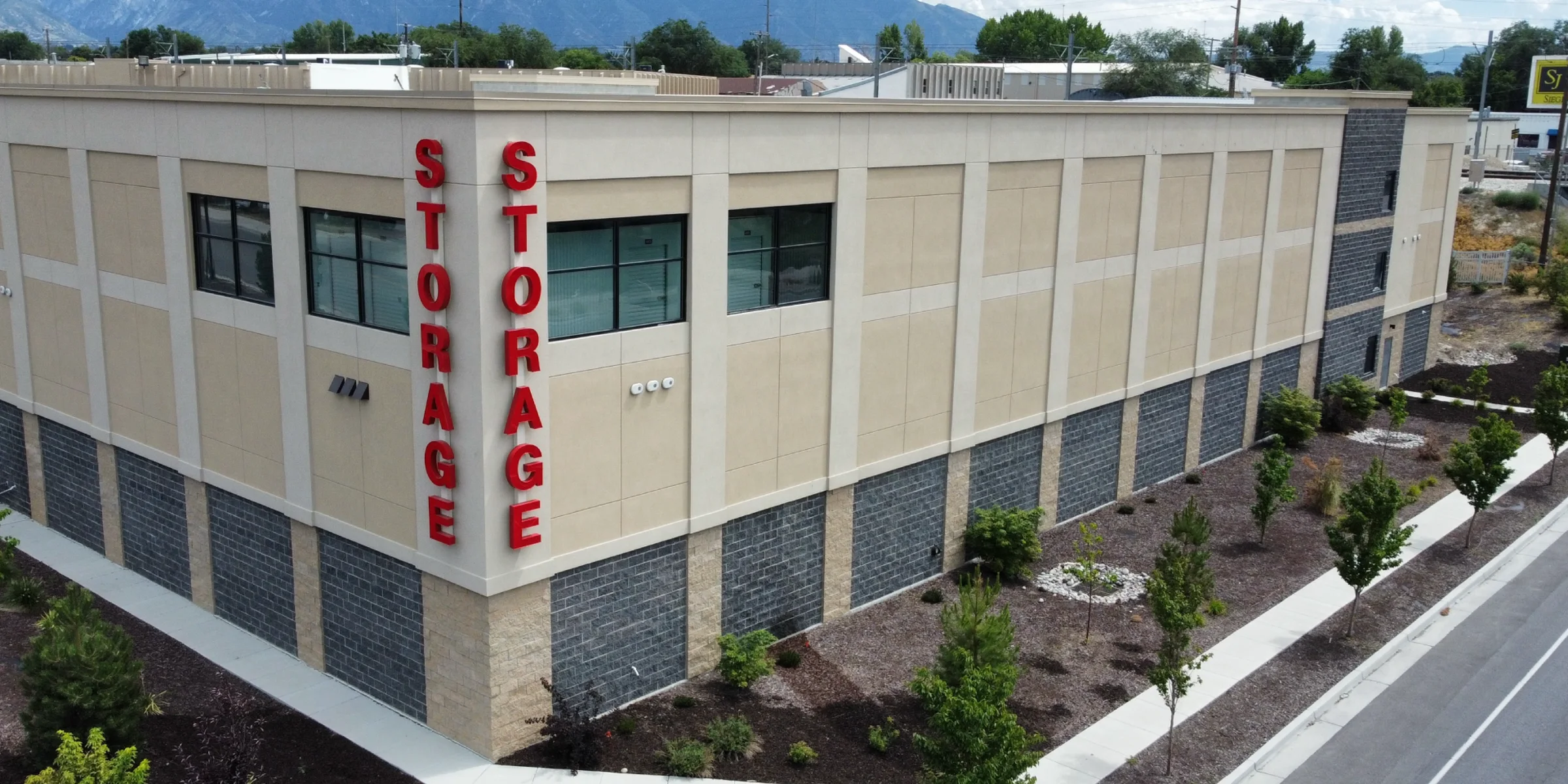
Multi-story self storage increases rentable area without expanding the building footprint. The format supports development on constrained or high-value sites and commonly includes a sealed, climate-controlled building envelope. Johnson Construction has delivered major multi-level facilities including Lock It Up in Farmington and 700 Block Storage in Salt Lake City.
What a Multi-Story Build Coordinates
A multi-level facility connects the structural frame and floor decks to the exterior envelope and interior storage program. Johnson Construction erects the steel, installs the metal roofing and wall systems, and completes the corridors, partitions, and roll-up doors that establish rentable units on each level.
Vertical construction places greater demands on structure and circulation. The frame must carry stacked storage loads, the envelope must maintain conditioned space, and stairs and elevators must support practical tenant access throughout the building.
Why Owners Build Up
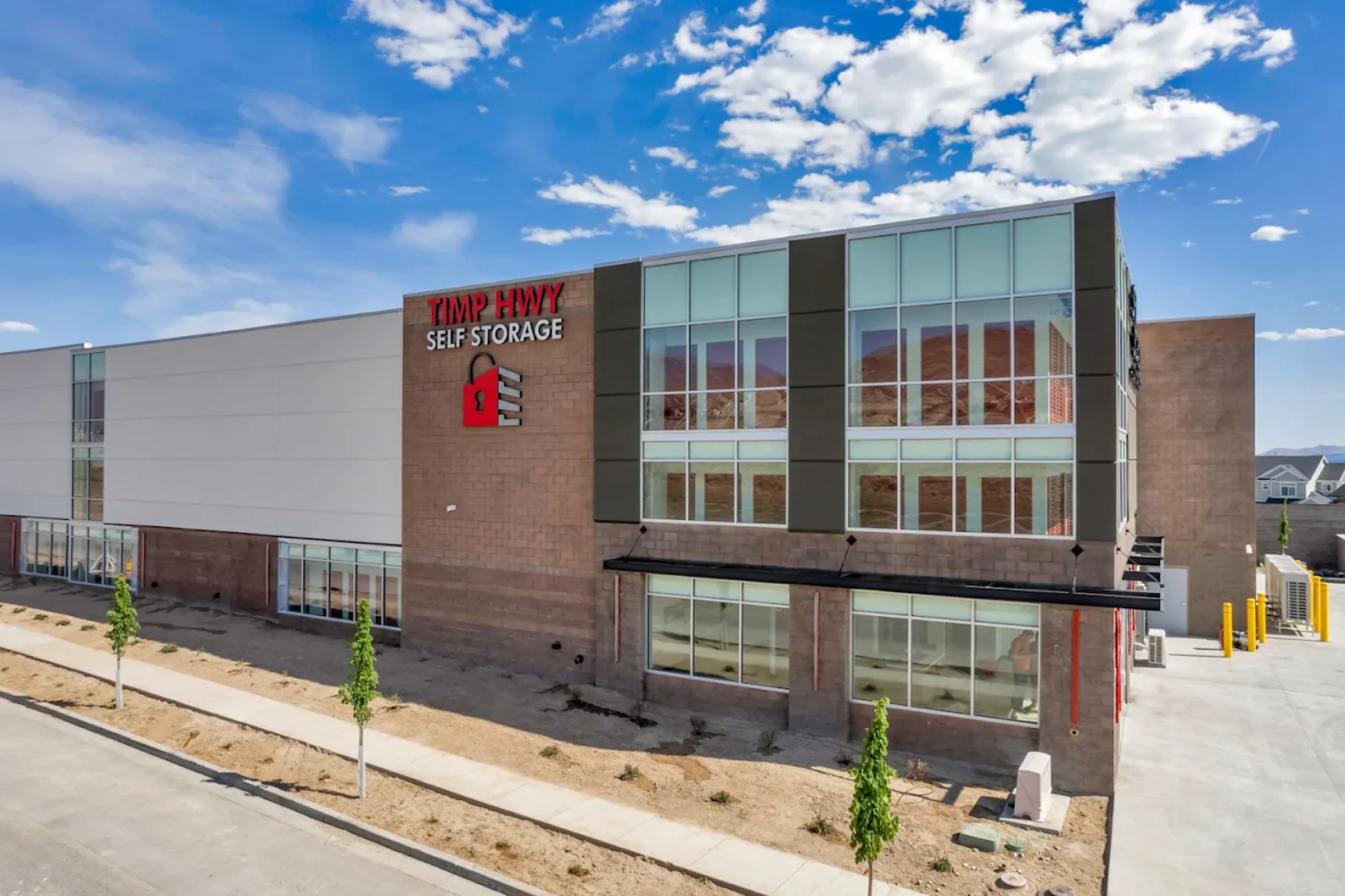
Building up concentrates far more rentable square footage on a small parcel than a drive-up campus ever could. On urban infill and high-value suburban sites, that density is the only way the numbers work. Johnson has built multi-story facilities across the Salt Lake Valley and the Wasatch Front, including Pro Storage Midvale at 99,217 square feet and Timp Highway in Lehi, carried from framing through finish.
Climate-Controlled Construction
Most multi-story storage is climate-controlled, and the two go together for a reason. Once you build an insulated envelope to enclose a multi-level building, conditioning it is a small step, and climate-controlled units command the strongest rents in the business. A conditioned building is a sealed building, and Johnson Construction installs the insulated roof and wall systems, the interior corridors, partitions, and doors, and the finish components, coordinated alongside the mechanical and life-safety systems specified for the facility.
The construction is less forgiving than a drive-up building. Air sealing, insulation continuity, and a roof assembly built for the freeze-thaw cycle all matter, because the whole value of a climate-controlled unit is that the conditions inside stay put. Conditioned space also shows up outside multi-story buildings, filling mixed-format sites like Extra Space Storage in Clearfield and sitting alongside drive-up and vehicle storage at My Storage Prescott Valley, but the sealed envelope is the same discipline every time.
Cost, Density, and the Unit Mix
Multi-story construction costs more per square foot than single-story, but it is often the only format that pencils on an expensive or landlocked parcel, because it builds rentable area upward instead of consuming land. The unit mix drives both the revenue and the cost: a floor of small climate-controlled units carries more partitions, doors, and hallway than a floor of large units, so the plan is worked from the rents the market actually supports. The cost-to-build guide breaks down how format moves the number.
That density is the point. A multi-story building can hold two, three, or more floors of rentable storage on the footprint a single-story campus would use for one, which is what makes urban and high-value suburban self-storage construction possible in the first place.
Proof on the Ground
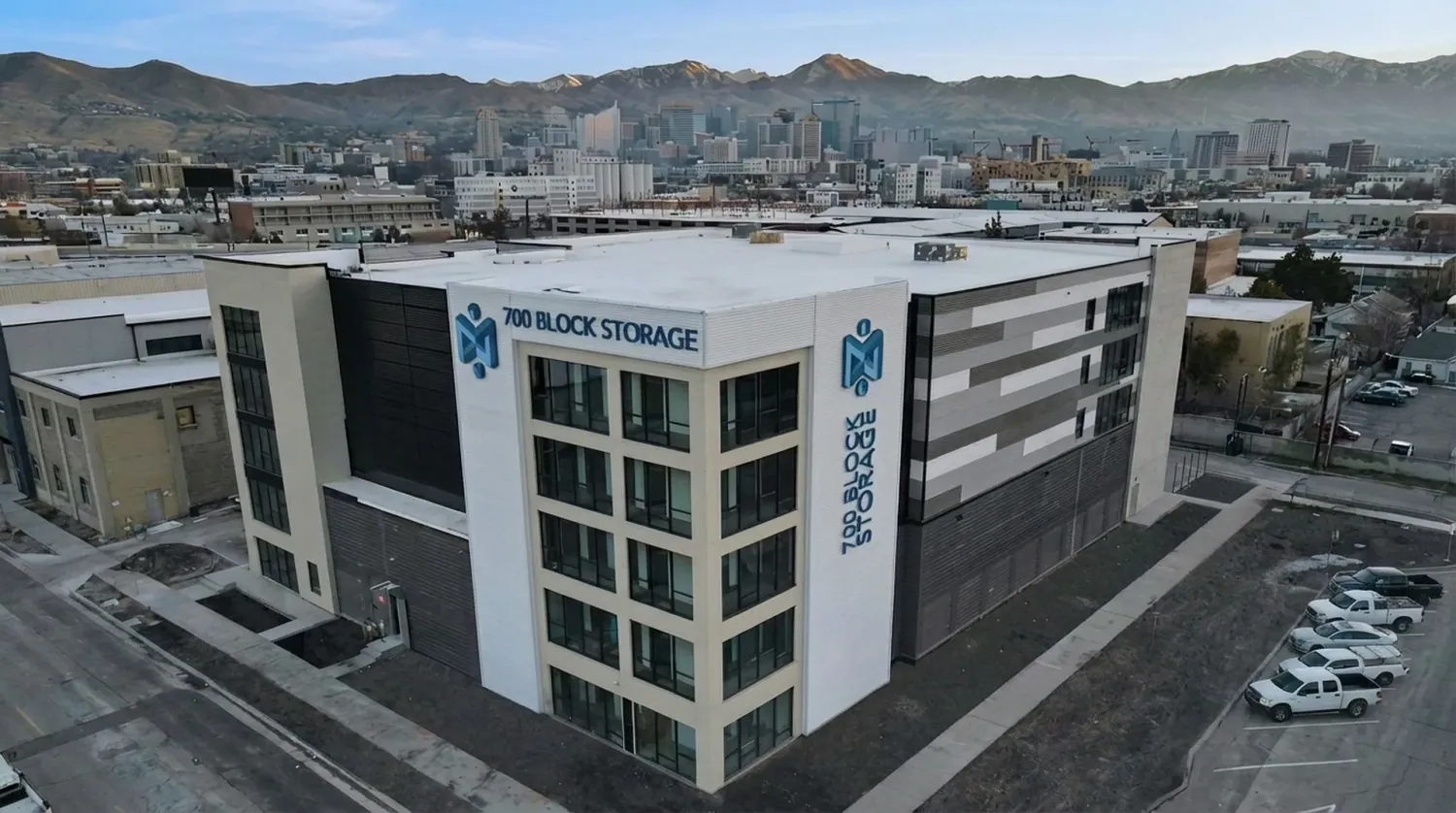
700 Block Storage in downtown Salt Lake City is the clearest example: 70,224 square feet and more than 500 units on a compact city block, built by Johnson and voted AGC of Utah New Building Construction Project of the Year in 2023. Urban multi-story construction gives no margin, and that award came from steel that went up clean on a site with no room to spare.
Common Questions
How many acres do you need for a multi-story self-storage facility?
Far fewer than a single-story campus. Multi-story exists precisely to build meaningful rentable area on one to two acres, or less, where a drive-up layout would need several. The right footprint depends on the number of floors, the unit mix, and local zoning and parking requirements.
Is multi-story self-storage worth the higher cost?
On the right site, yes. Multi-story costs more per square foot than single-story, but it turns a small or expensive parcel into far more rentable area, and it is almost always climate-controlled, which earns higher rents. On cheap, plentiful land, single-story usually wins; on scarce, expensive land, multi-story is what makes the project work.
How much does it cost to build multi-story self-storage?
Multi-story and climate-controlled construction costs more per square foot than single-story, because you are paying for floor structure, elevators, an insulated envelope, and mechanical systems. The cost-to-build guide covers the ranges and the drivers, and a real number comes from pricing your building against your site.
Does climate-controlled storage cost more to build?
Yes. An insulated, sealed envelope plus mechanical systems adds cost over a drive-up building. Owners build it because conditioned units rent for more and stay in demand, especially in markets with hard summers and winters.